For sour service, specify valve materials to NACE MR0175 / ISO 15156 (or NACE MR0103 for refinery units), keep carbon steel hardness at or below 22 HRC, use sour-grade bolting such as B7M with 2HM nuts, and ask for the hardness test records and a material certificate with every valve.
What makes a service "sour"?
A process stream is called sour when it contains hydrogen sulphide (H2S) in water at a level where it can attack steel. In upstream oil and gas, ISO 15156 bases material selection on the H2S partial pressure, pH and temperature; refinery and petrochemical duties may instead specify NACE MR0103. Check the data sheet against the right industrial valve, and route hardness and traceability checks through quality inspection.
Choose sour-service materials for the actual process conditions, then document the checks for every pressure-retaining part.
The danger is sulphide stress cracking: atomic hydrogen from the corrosion reaction enters hard steel and makes it brittle. A valve body, stem or bolt can crack under normal operating stress, often with no visible corrosion beforehand. That is why sour service is controlled by material and hardness rules, not just by corrosion allowance.
Start with the standard on the data sheet
Before comparing brands or prices, confirm which standard the project specification calls for. Most Saudi oil and gas operators require compliance with NACE MR0175 / ISO 15156 for upstream and pipeline valves, and NACE MR0103 for downstream units. Your valve data sheet should state the standard, the service conditions and whether every wetted and pressure-retaining part must comply.
- Wetted parts: body, bonnet, ball or disc, seats and stem.
- Pressure-retaining bolting: body-bonnet bolts and gland bolts.
- Welds: any weld overlay or fabricated parts, with their heat treatment records.
Material and hardness limits
The single most important number in sour service is hardness. For carbon and low-alloy steels, the common limit is 22 HRC (about 248 HV). Forged bodies, castings and welds must all stay within the limit, which is why heat treatment and hardness testing appear on the certificate.
| Part | Typical sour-service choice |
|---|---|
| Body and bonnet | ASTM A105N or A216 WCB/WCC, normalised, hardness ≤ 22 HRC; A350 LF2 for low temperature |
| Trim (ball, disc, stem) | Stainless or duplex grades listed as acceptable in ISO 15156-3, or carbon steel with suitable overlay |
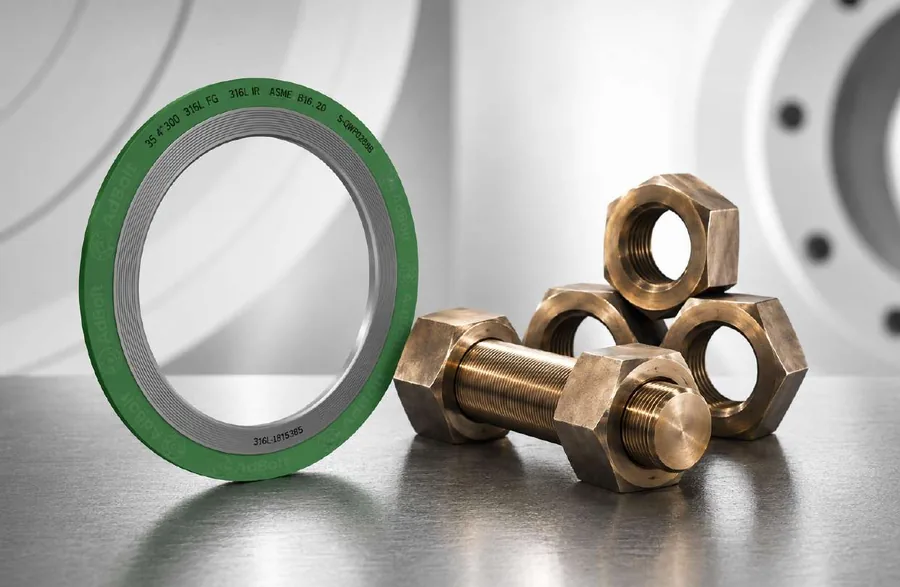
| Bolting | ASTM A193 B7M studs with A194 2HM nuts (instead of standard B7/2H) |
| Gaskets | Spiral wound with 316 or alloy windings and graphite filler, inner and outer rings |
Stainless and duplex steels are not automatically acceptable. ISO 15156-3 sets limits on chloride, temperature and H2S for each alloy group, so check the alloy against the actual process conditions.
Gate vs ball vs globe vs check valves
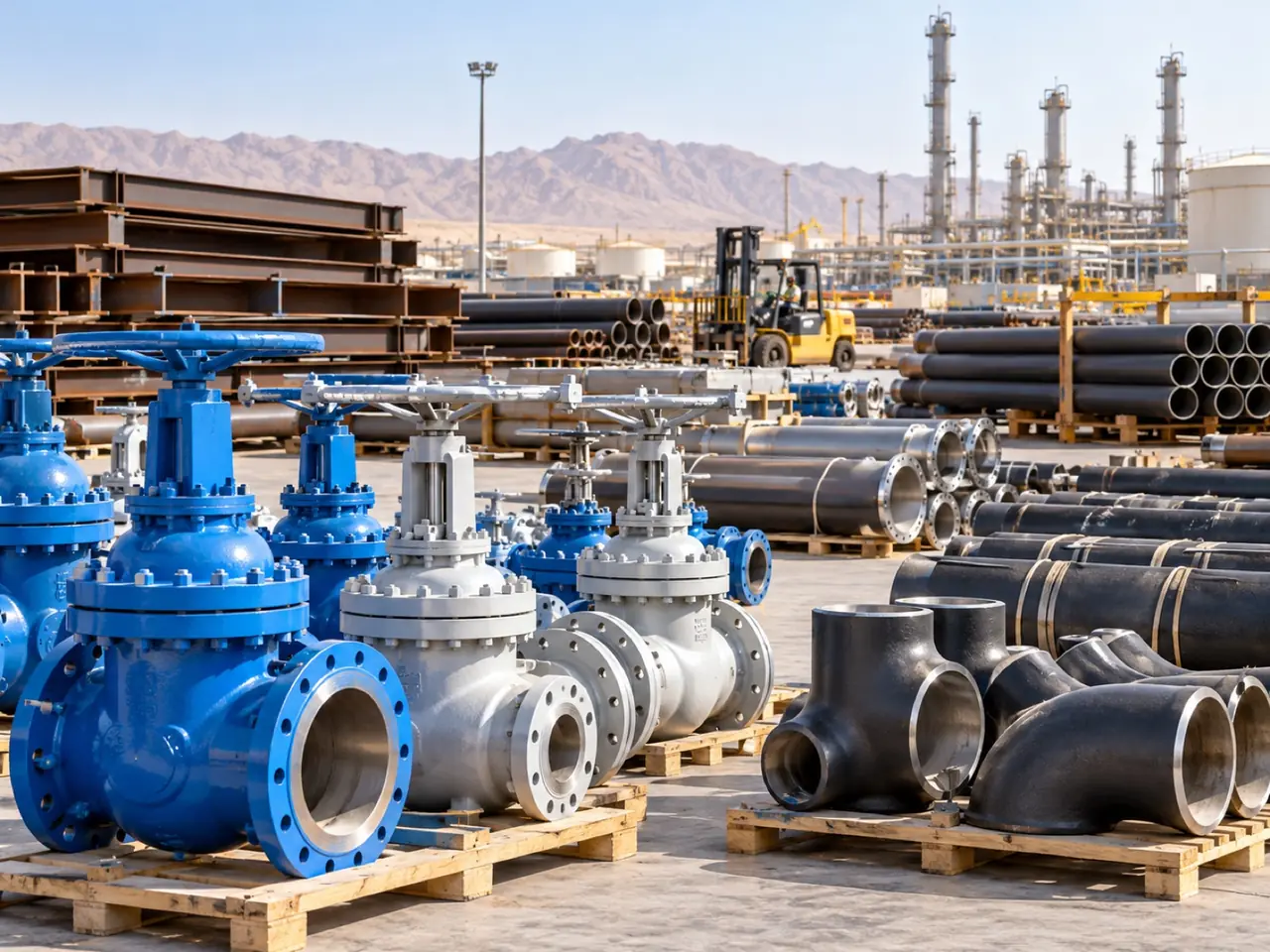
Sour-service material rules apply to every type; choose the valve body style for the job, then confirm the project standard and pressure class.
| Type | Typical duty | Useful when | Check before ordering |
|---|---|---|---|
| Gate | On/off isolation | A straight-through, full-bore path is needed | Not intended for routine throttling; confirm bore, end connections and class |
| Ball | Quarter-turn shut-off | Fast operation and tight shut-off suit the line duty | Confirm seat, trim, fire-safe and pipeline requirements where specified |
| Globe | Flow regulation | Flow needs to be adjusted or throttled | Account for pressure drop, trim and control requirements |
| Check | Prevent reverse flow | Pumps or compressors need downstream backflow protection | Choose swing or dual-plate design for the flow, space and closing duty |
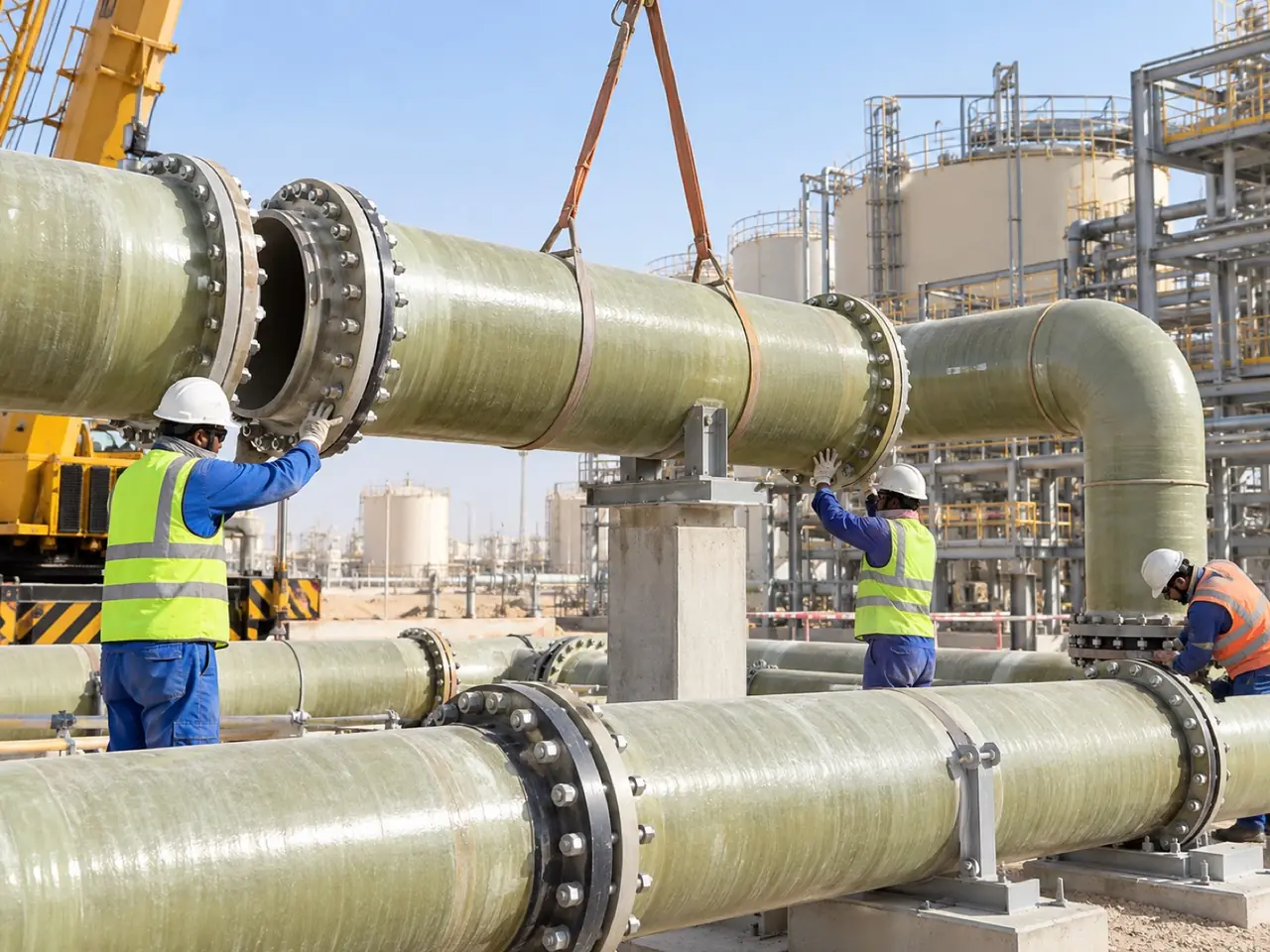
Pressure class follows the project design and the applicable valve and piping standards. Match the flanges, gaskets and stud bolting to the line class and sour-service materials.
Testing and documents to ask for
A sour-service valve is only as good as the paperwork that proves it. Ask for:
- An EN 10204 3.1 certificate (or 3.2 if your specification requires third-party witness) for pressure-retaining parts.
- Hardness test records for bodies, bonnets, bolting and welds.
- A statement of compliance with NACE MR0175 / ISO 15156 or MR0103.
- Pressure test records to API 598, or API 6D for pipeline valves.
- Third-party inspection, PMI and NDT where your project calls for them.
How Al Aitimad supplies sour-service valves
We match each line of your valve list to qualified manufacturers, including OMB Valves, LVF and Bonney Forge, check materials and hardness against the data sheet, and arrange third-party inspection before shipment. Valves can be quoted together with flanges, gaskets and B7M/2HM bolting, so the whole package arrives with one document pack. Send your valve list to sales@alaitimad.com and our team in Yanbu will reply within one working day.
Conclusion
What to take away
For a sour-service valve, let the project conditions and named standard drive material selection. Confirm hardness and traceability records before purchase, and include any required independent witness testing in the order.
Continue to Valves